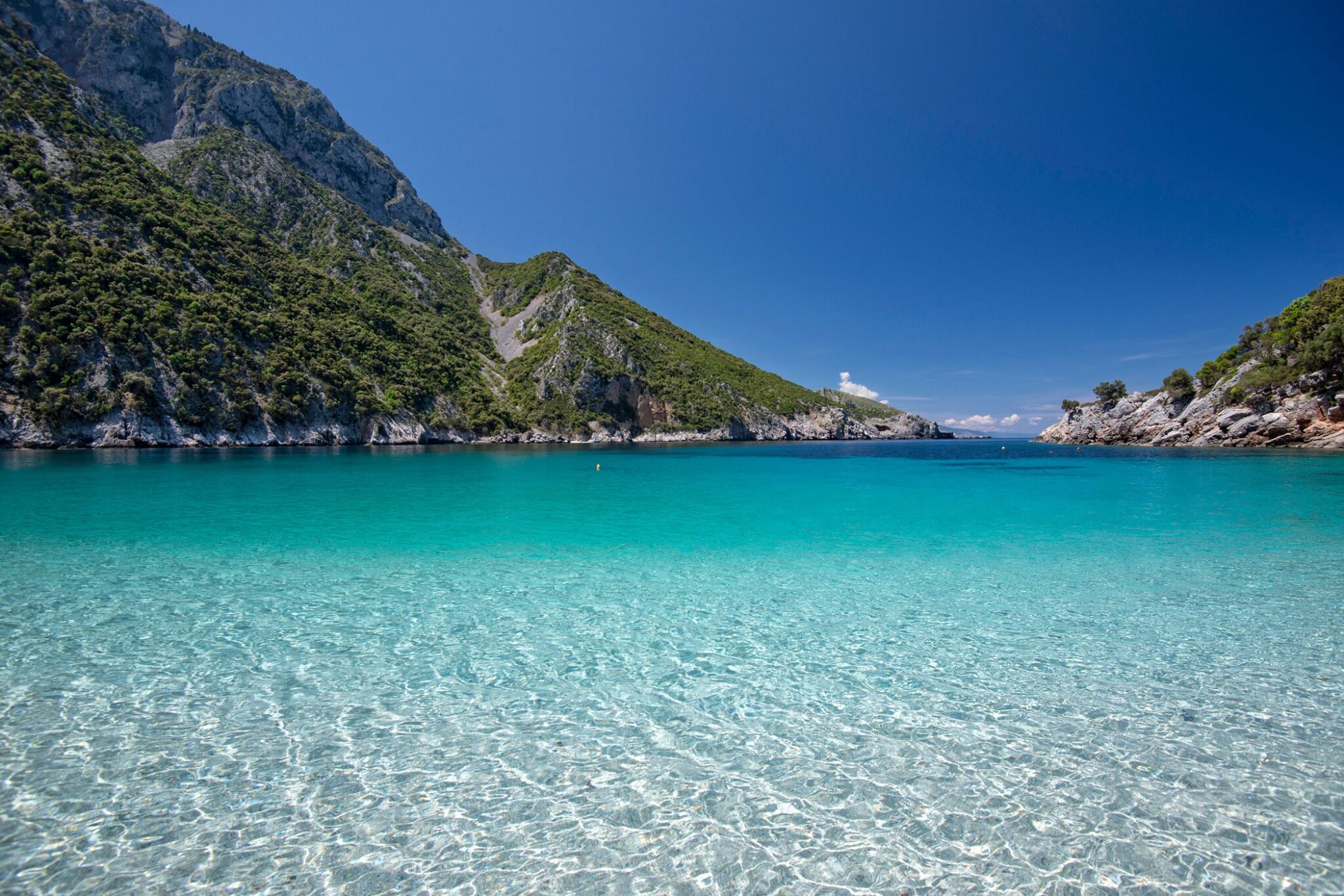
Thapsa
The most beautiful beach in the area. Access with a tall vehicle, preferably 4x4.
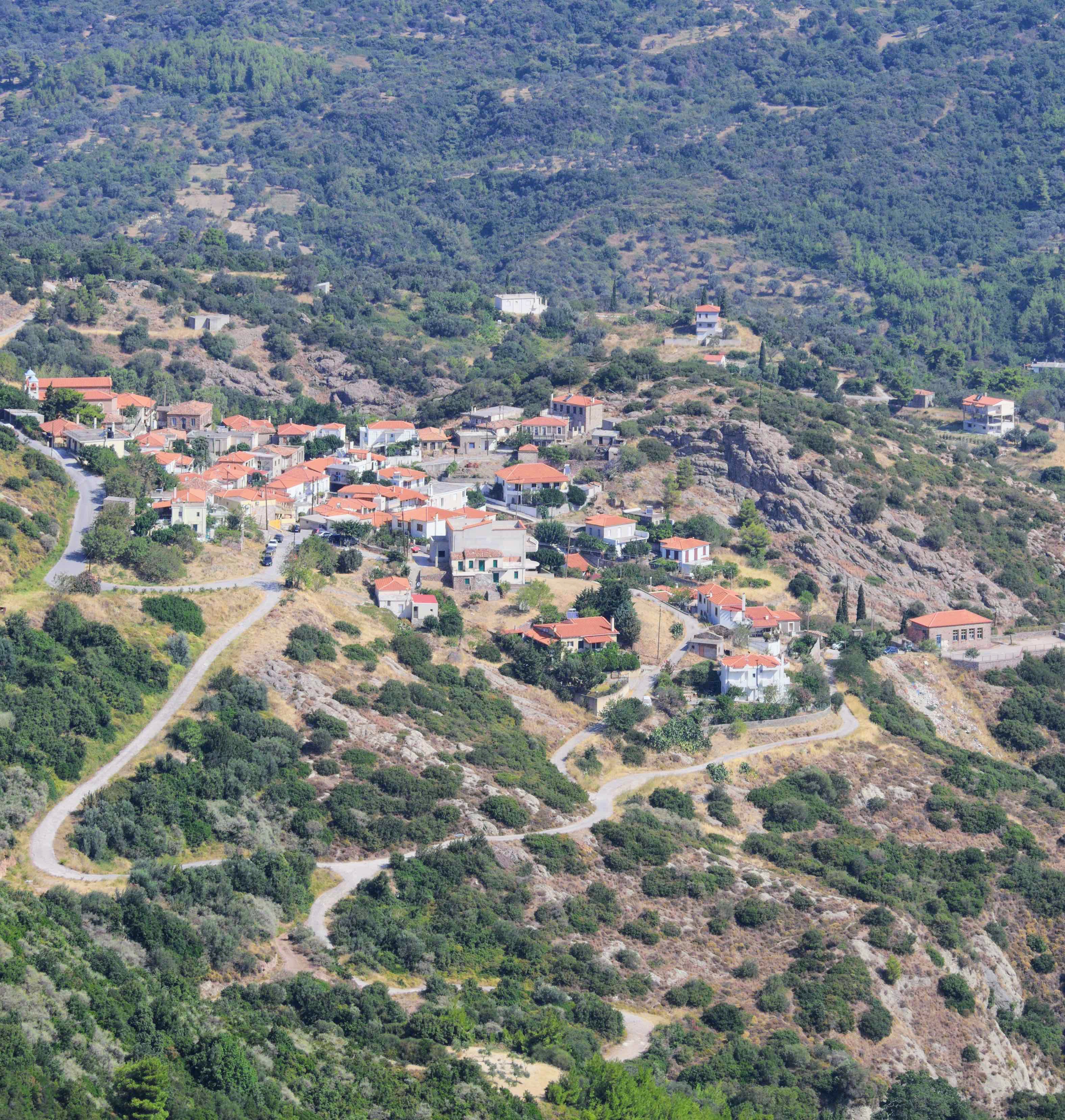
Ano Potamia is one of the oldest villages of the municipality of Kymi-Aliveri in the Regional Unit of Euboea. It has about 60 permanent residents. It is built at an altitude of 180 meters on the slopes of the volcanic hill of Oxilithos.
The Archaeological Collection is housed next to the church of the Dormition of the Virgin and includes finds mainly from the hill of Kastri, where a Neolithic settlement was excavated, a Classical acropolis, and a Classical-Hellenistic settlement, as well as many underwater finds, mainly transport amphorae.

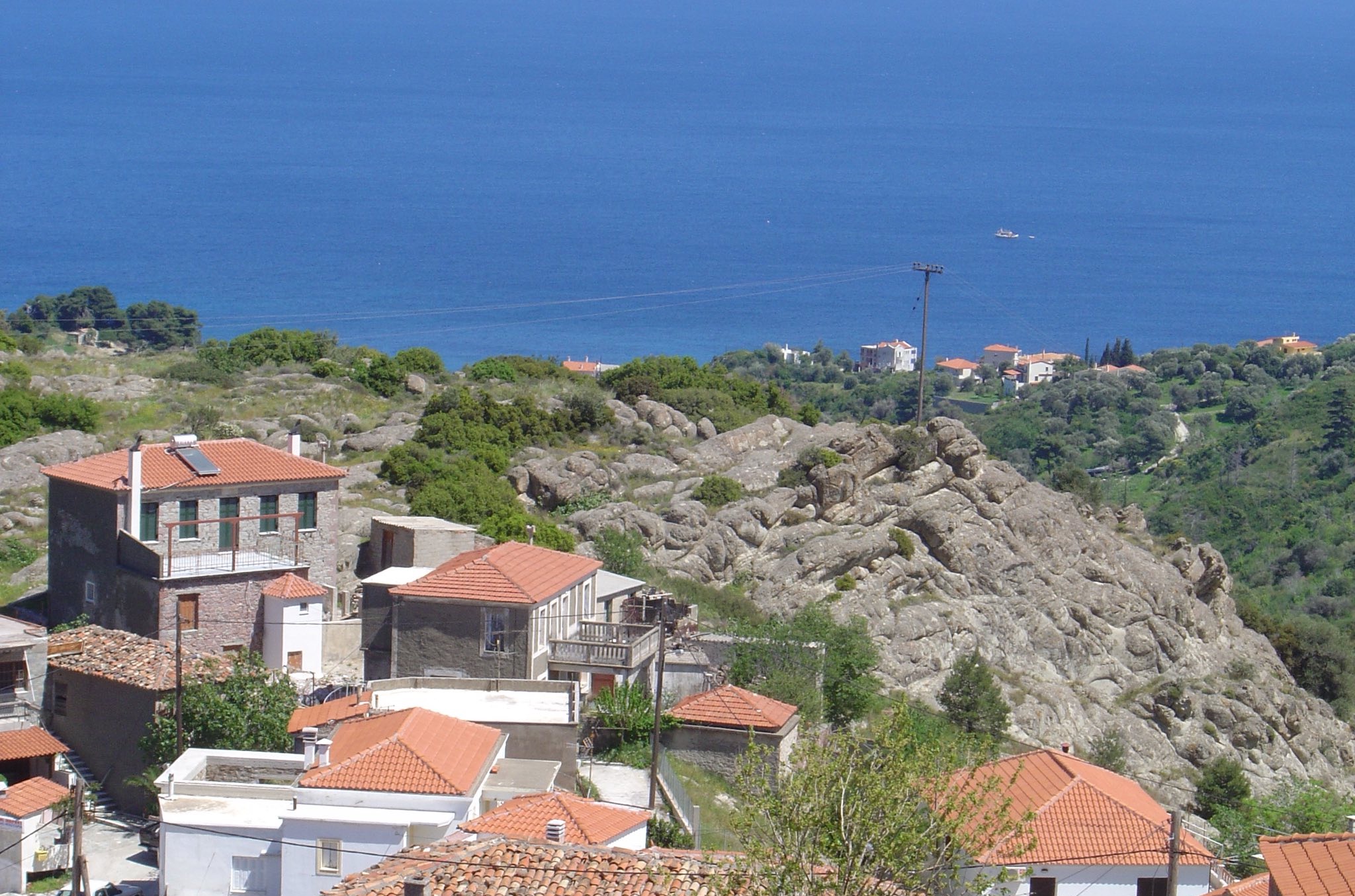
From the rock located at the front side of the village, called “Axanti,” the view is unique: on one side the blue of the Aegean and on the other the entire village, with the backdrop of the peculiar hill with its “pyramidal” peak and the church of Prophet Elias.
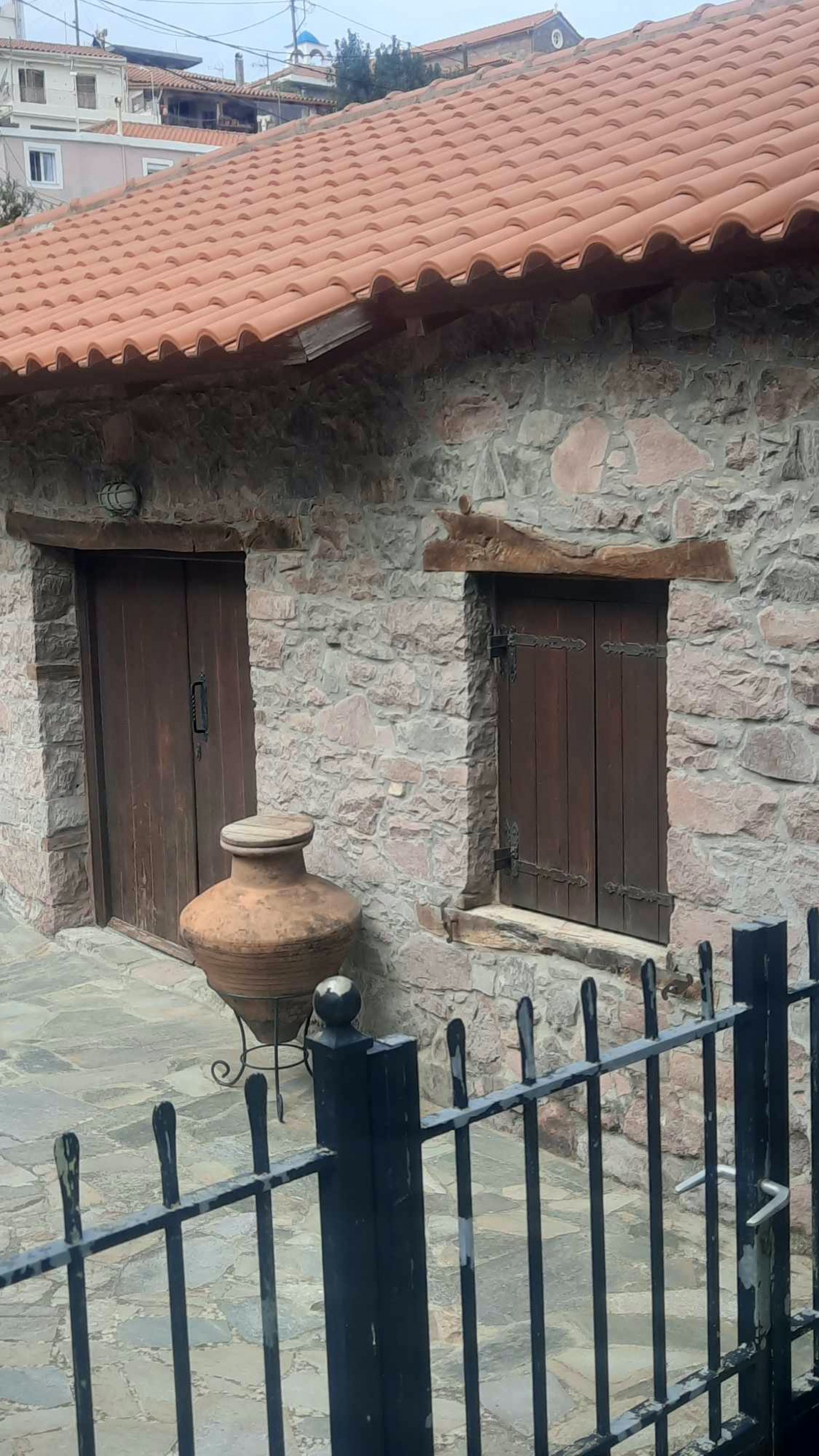
In the village is the “Old Olive Mill of Kasomoulis,” which now operates as an Olive Museum. The mill started operating in 1844.
On the hill of Agios Nikolaos or Kastri, next to the village, traces of habitation from the prehistoric and ancient periods have been found. On the southern side of the hill, pottery fragments of the Neolithic period have been discovered, specifically of the 4th millennium BC, but no remains of a settlement have survived. In the 4th century BC, a fortified settlement was created on the hill, which had various workshops and craft industries, as evidenced by the presence of a metallurgical furnace. In the settlement, many coins of the Euboean League as well as of the Macedonian kingdom were found. There are signs of habitation until the 1st century BC. The site was systematically excavated by Adamantios Sampson between 1976–1978.
Kymi and the surrounding area are famous for their beautiful beaches, which combine the blue of the Aegean with the rich greenery of Euboea.
The most beautiful beach in the area. Access with a tall vehicle, preferably 4x4.

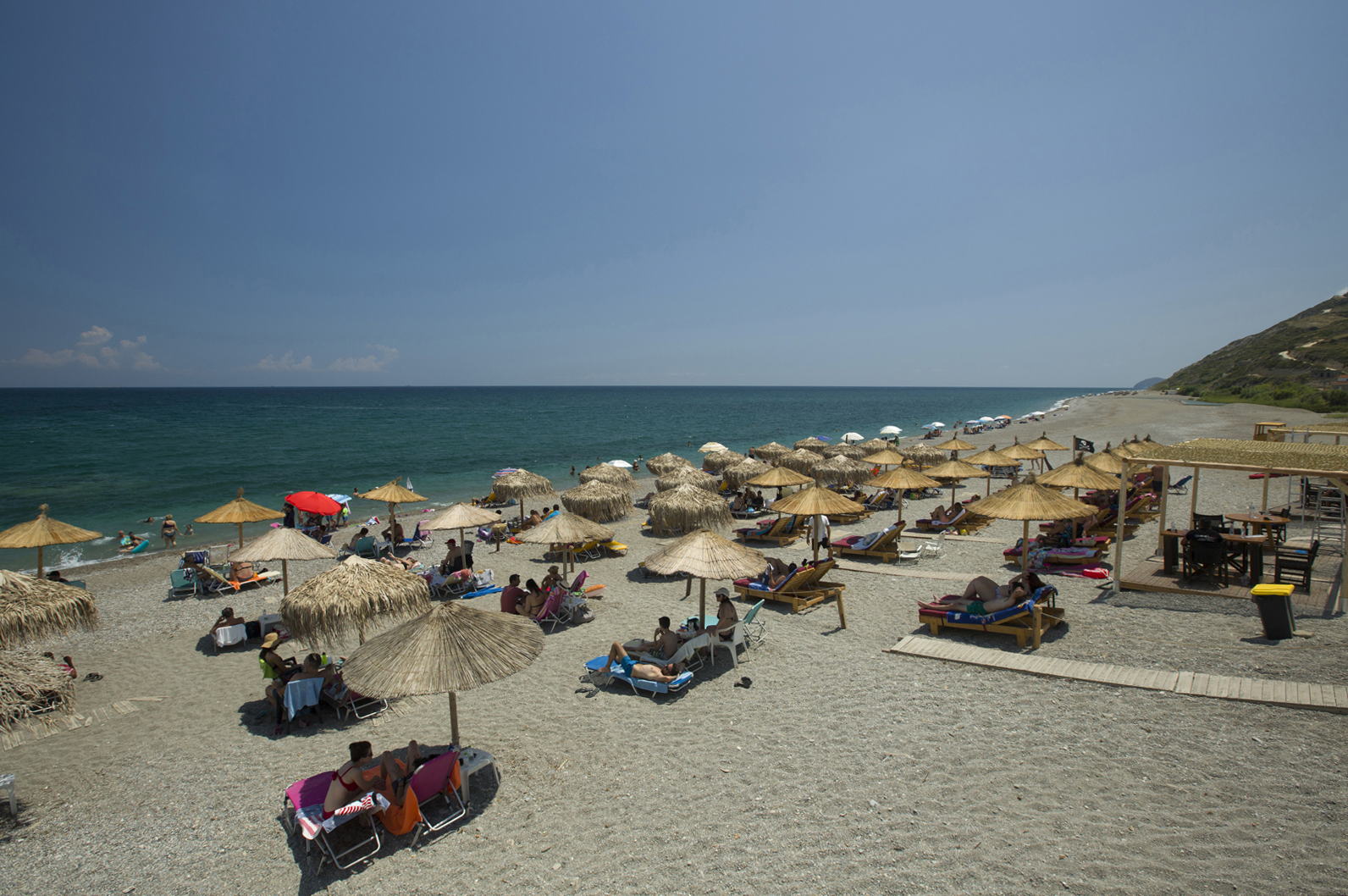
One of the nearby organized beaches. Be careful when it’s windy, as it raises waves.

The double beach of Kalamos, one organized and one unorganized.
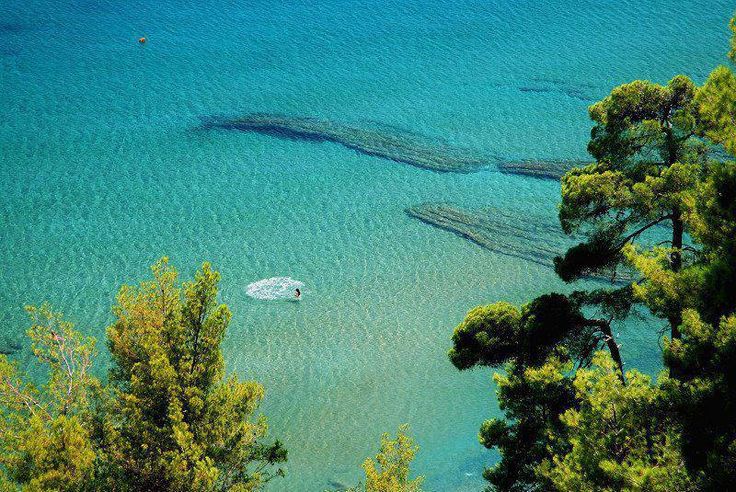
The most sheltered beach in the area.